
Scan sheet music with your iPhone or Android phone, no app needed
You don't need a special app to scan sheet music on a phone. Open seqnote.ink in Safari or Chrome, sign up with your email, and upload a photo of the page from your camera or photo library; iPhone HEIC photos are fine. For a piece with several pages, scan them into one PDF with the iPhone Notes app or Google Drive on Android, then upload the PDF and select the pages. PUJIAN recognizes the printed music and you can play it back, transpose it or export it.
Upload a scoreSign up with email3 free pages on sign-up · failed pages are not counted
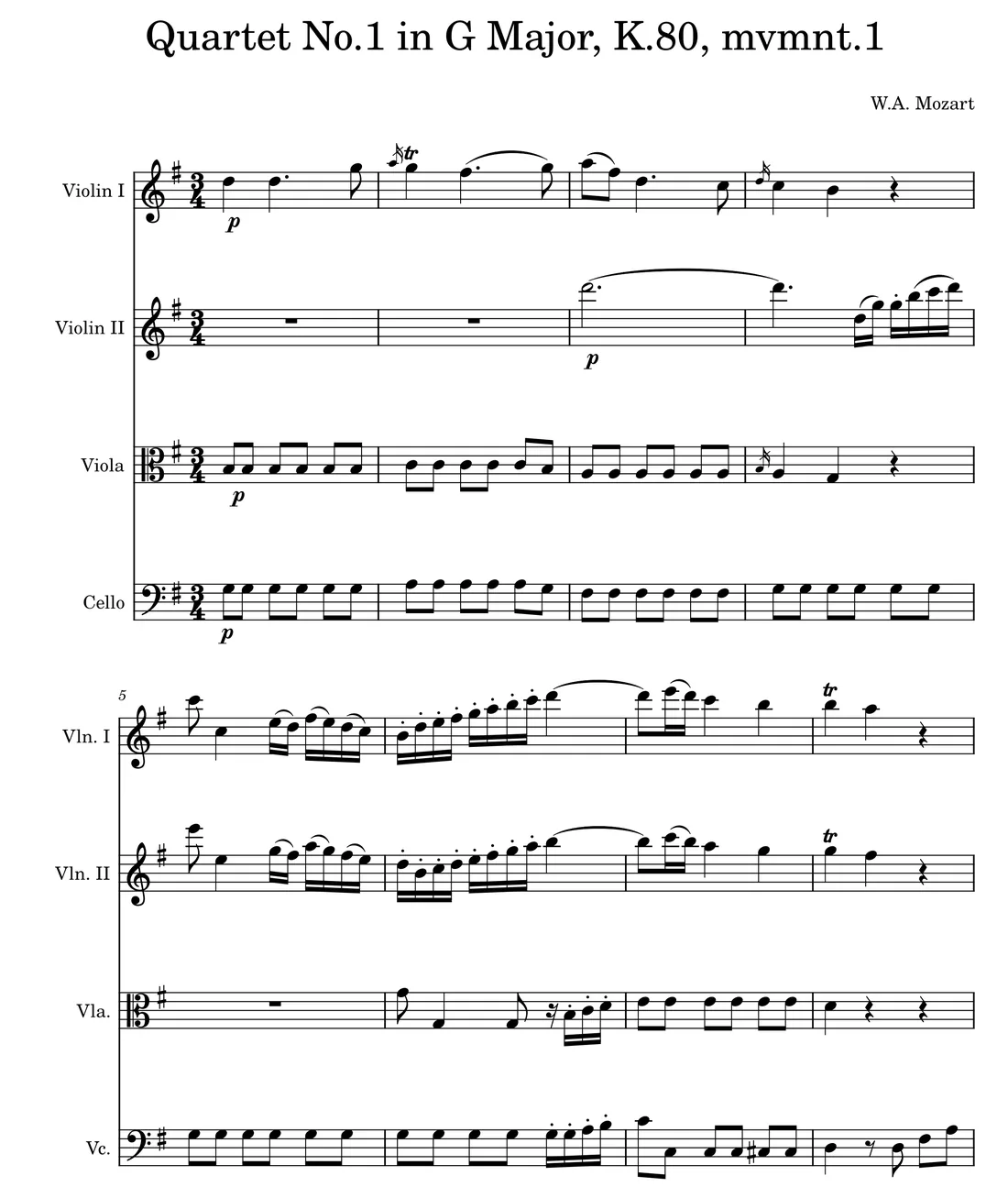
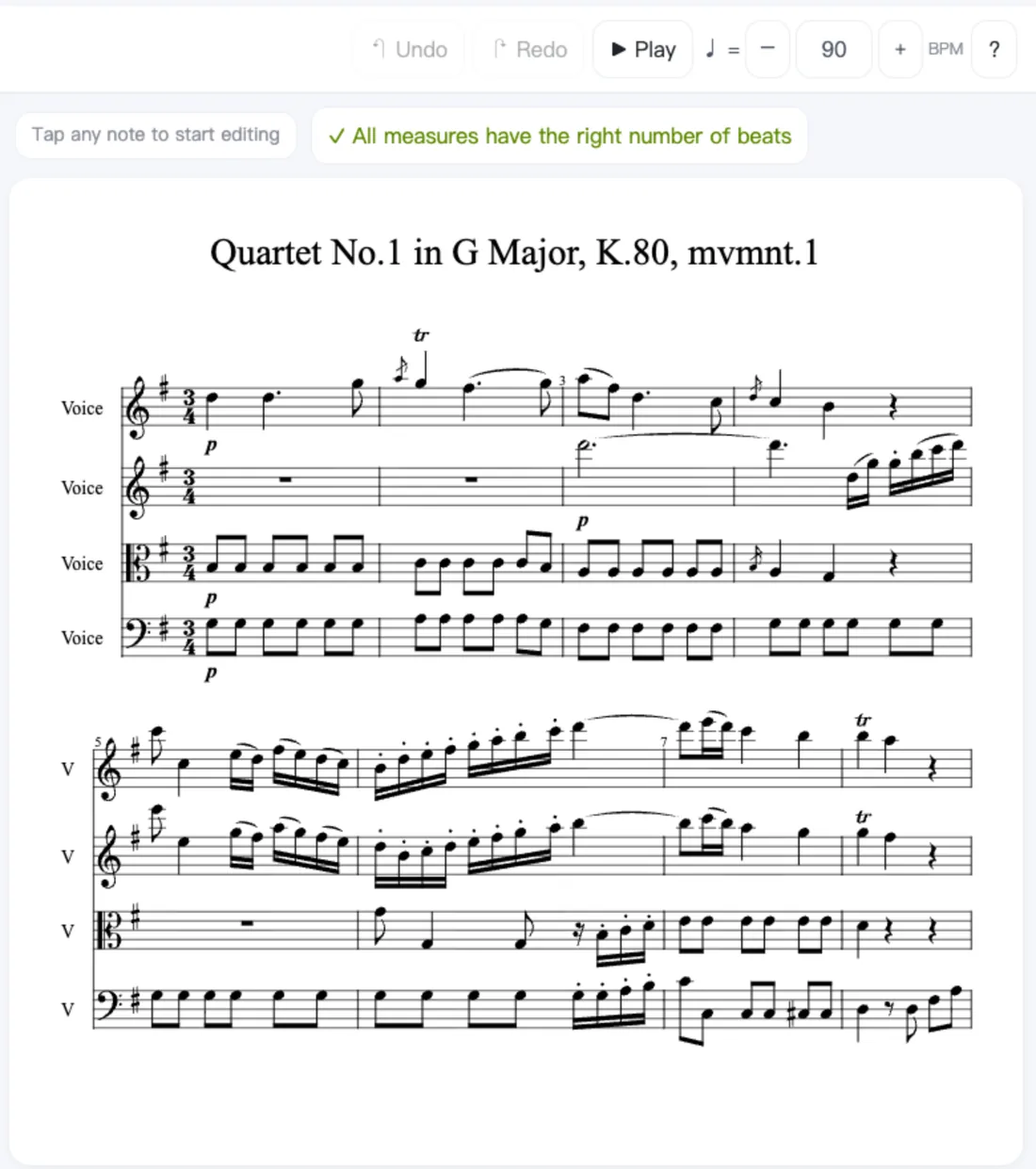
One page: take a photo
- Lay the page flat and photograph it from directly above in even light.
- Open seqnote.ink in your phone's browser and sign up with your email (3 free pages).
- Go to Recognize, tap the upload area and choose Take Photo or Photo Library.
- Start recognition, then press Play to hear the result.
Several pages: make one PDF first
PUJIAN takes one file per upload, so for a multi-page piece put the pages into one PDF. The phone's built-in document scanner also straightens and crops each page, which helps recognition.
- iPhone: in the Notes app, open a note, tap the camera button and choose Scan Documents. Scan each page, save, then share the scan as a PDF to Files.
- Android: in Google Drive, tap + and choose Scan. Add each page, then save the PDF.
- Upload the PDF to PUJIAN (up to 20 MB) and select the pages you want. Each recognized page uses one page from your balance.
Photo tips
- Lay the page flat and shoot from directly above, so the staff lines are straight and parallel.
- Use even light. Avoid shadows from your phone or hand, and avoid glare on glossy paper.
- One page per photo, with the whole page in frame and nothing cut off at the edges.
- Hold the phone steady and make sure the notes are sharp when you zoom in.
- A scan or the original PDF is always better than a photo of a screen.
After scanning
- Play: hear the music at the correct pitch with the current note highlighted.
- Transpose: move the piece to another key.
- Split parts: make separate parts for choir voices or instruments.
- Edit and export: fix wrong notes in the online editor and export MusicXML, MIDI or PDF (paid plans and page packs).
Limits
- PUJIAN reads printed staff notation. Handwritten scores and blurry, skewed or dark photos are recognized poorly.
- Complex orchestral scores with many staves may need manual fixes after recognition.
- Check the result before you use it: play it back and compare with the original.
FAQ
- Do I need to install an app?
- No. PUJIAN runs in the phone's browser.
- Which file types can I upload?
- JPG, PNG, HEIC, WEBP, BMP or PDF, up to 20 MB per file. MusicXML files can be uploaded too and use no pages.
- Can I upload several photos at once?
- One file per upload. For several pages, scan them into one PDF first, as described above.
- Do failed pages use up my pages?
- No. Only pages that are recognized successfully are counted. If a page fails, it is returned to your balance.
- Is PUJIAN free?
- You get 3 free pages when you sign up with your email. Recognition and playback work on the free pages. Exporting MusicXML or MIDI, the online editor, part splitting and vocal separation are included in paid plans and page packs (from $4.99 for 20 pages). Payments are processed by Creem.